The LAHO Letter
Not subscribed yet? Sign up to get the ad we loved, the cultural moment worth paying attention to, and what it all means for your brand, delivered to your inbox twice a month.
The Ad
A marketer who specializes in behavioral science, gave the most practical session we attended, on how the brain reads email. One of her principles is framing. The words around a product change how people react to it, even when the product stays exactly as it was.
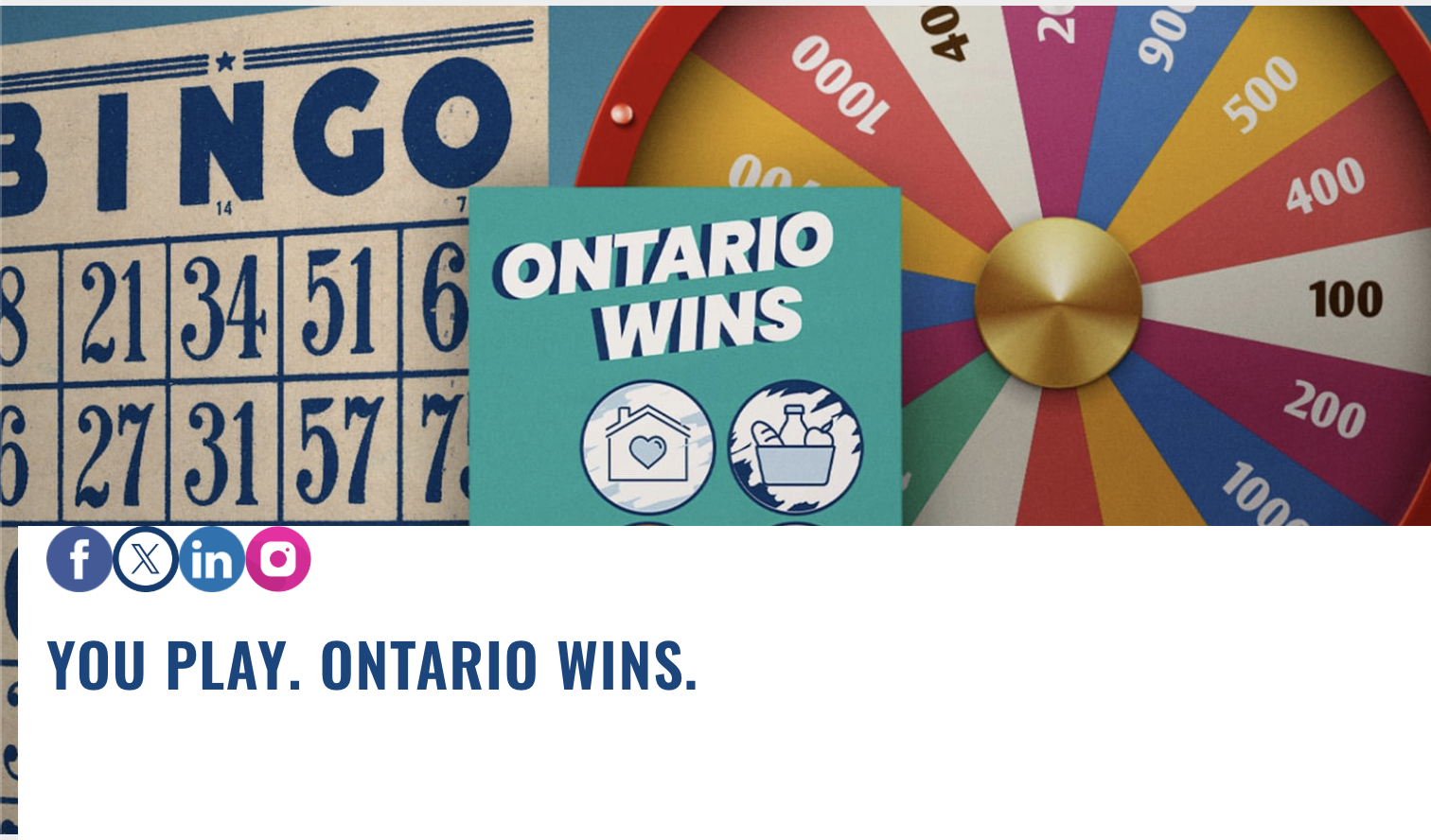
One of her examples came from Ontario's provincial lottery, and its 2024 campaign: “When you play, we all win.”
Because the lottery's profits go back into the province, the campaign presents buying a ticket as almost a charitable donation to the community. The ticket and the odds stay the same, but a player now has a reason to feel part of something bigger.

The Moment
In one of the last sessions we attended, a speaker walked through how his team turned a long-form research piece into a steady run of press coverage. He covered embargoed pitches, social posts, comment threads, and the stories that followed. When he opened it up for questions, a woman asked “What was the goal?”
He couldn’t answer at first, and she started feeding him possibilities: Was it meant to grow a sign-up list, bring in new business, or build name recognition? He eventually said “all of the above,” but it certainly sounded like he wasn’t sure why they’d gone through all that effort to get press coverage.
A lot of teams would give that same answer about their own content. Press coverage builds credibility, and credibility has value. It works hardest when the team decides ahead of time what the coverage should lead to, because that decision shapes which outlets you pitch, what the piece says, and what you count afterward. Her question was the most useful thing we heard all week.

how do you get AI to recommend you? here's the truth about GEO.
The LAHO Take
The sessions we’re still thinking about had one thing in common: Each named a specific problem and showed how someone solved it.
Harhut's email session was built that way. So was a session on how AI tools decide which companies to cite. Earned media and an accurate, plainly written About page both feed that. The speakers also said openly that no one is an expert yet, since the platforms and their data deals change week to week, which we appreciated.
Lastly, we saw how marketers now write for two audiences, people and the AI tools those people consult. The tools reward consistency, so the facts about who you are and what you do should match everywhere. People respond to each platform differently, so the way you say it can change from LinkedIn to TikTok. One speaker described the goal as everyone telling the same story about you, and that's the version we're planning around for 2027.
You’re bold, ambitious, and good at what you do.
So are we.
Let’s see if we’re good together.